Critical Main Water Line Offerings:Maintain Safe and Consistent Water Distribution for Your Home
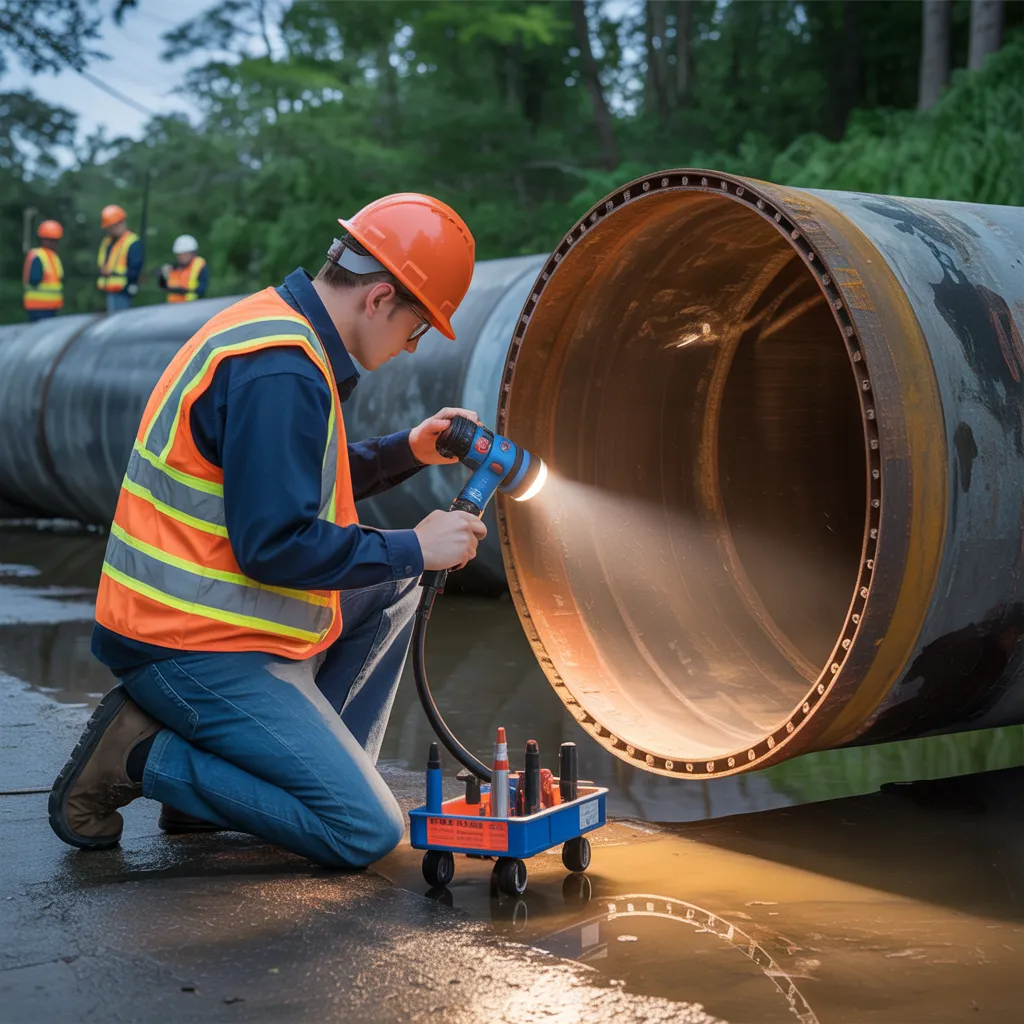
Main primary pipeline services are crucial in maintaining a safe and steady water supply in homes. Regular inspections can detect hidden vulnerabilities that might lead to serious issues if left unchecked. Homeowners often overlook these vital services, risking costly repairs down the line. Understanding the importance of timely maintenance can make a substantial difference in preserving plumbing integrity. What steps should one take to guarantee their water line remains in peak condition?
Why Scheduled Assessments Are Important for Your Water Line
Standard inspections serve as an critical defense for water lines, preventing minor troubles from escalating into major problems. These inspections facilitate the discovery of vulnerabilities that could compromise the integrity of the water supply system. By examining key features, such as joints, valves, and pipes, professionals can detect signs of damage and potential leaks early on.
Regular inspections also guarantee compliance with local regulations and standards, protecting homeowners from legal risks related to water safety and quality. Additionally, they offer an opportunity for upkeep, ensuring that the system operates smoothly and minimizing the risk of costly emergency repairs.
Homeowners who commit to routine inspections gain peace of mind, understanding that their water supply remains reliable and safe. Ultimately, these proactive measures contribute to the longevity of the water line and enhance the overall performance of the home's plumbing system, making them an indispensable part of home maintenance.
Frequent Symptoms of Main Water Line Troubles to Watch For
When homeowners observe sudden changes in water pressure or unexpected puddles in their yard, it may indicate underlying problems with the main water line. Additional common signs include discolored water, which can signal rust or sediment accumulation, and strange noises like gurgling or hissing coming from pipes, suggesting leaks or air trapped inside the system. Also, consistent dampness in the basement or foundation may suggest a hidden leak, compromising structural integrity. Rising water bills without a use pattern change can also signal a water line problem, as invisible leaks cause wasted resources. Homeowners should stay alert for these signs, since early detection is key to maintaining a reliable water supply. Dealing with these signs quickly can help stop more serious damage and costly repairs down the line. Recognizing these symptoms empowers homeowners to take proactive measures relating to their main water line health.
Why Quick Fixes Prevent Substantial Water Line Complications
Expedient fixes of main water line complications can offer significant benefits for homeowners. Rapid detection often blocks minor issues from advancing into expensive repairs. By resolving concerns swiftly, individuals can protect their resources and secure a stable water supply.
Early Detection Advantages
Proactive surveillance of water lines can considerably reduce the likelihood of extensive damage and costly repairs. Early detection of leaks or corrosion allows homeowners to resolve issues before they escalate, preserving the integrity of the plumbing system. Small leaks, if left unchecked, can lead to structural damage, mold growth, and increased water bills. Regular inspections and maintenance help identify potential problems, enabling timely interventions that safeguard the home and its occupants. Additionally, identifying subtle signs of wear can prevent emergencies that disrupt daily life. By investing in early detection measures, homeowners not only protect their property but also enhance their peace of mind, ensuring a reliable water supply for years to come.
Affordable Solutions
Tackling minor issues in water lines swiftly may lead to notable cost savings for homeowners. Ignoring small leaks or corrosion can escalate into serious problems, leading to extensive repairs and increased water bills. Prompt action usually includes simple repairs like sealing leaks or swapping out worn fittings, which cost relatively little. Conversely, delayed repairs might call for entire line replacements or extensive digging, causing a substantial financial impact. In addition, regular maintenance and thorough inspections help extend water line durability, reducing the need for costly emergencies. When homeowners prioritize timely repairs, they protect their finances and ensure a steady, reliable water supply, which ultimately increases their property's value.
Managing a Water Line Malfunction
When a plumbing emergency takes place, prompt intervention is essential to reduce damage and confirm well-being. The first move is to identify the main shut-off valve and close it to halt continued water flow. Following this, the region should be inspected for apparent leaks or deterioration. If water pools up, it's crucial to maintain a clear path to circumvent tumbles and spills.
Once the water supply has been secured, the homeowner should contact a professional water line service provider for repairs. Recording the damage with photos can prove helpful for insurance claims. If the emergency poses any risk to safety or health, such as electrical hazards, evacuating the area is advised.
To conclude, it's necessary to inform any impacted residents, most notably in multi-unit properties, to verify they understand of the situation. Swift action can markedly reduce the impact of the emergency and help achieve a quick resolution.
How to Pick a Trustworthy Water Line Service Company
Finding a credible water line service provider requires careful consideration of key determining factors. It is critical to check the licensing and insurance of potential candidates, as well as assess their experience and expertise in the field. Furthermore, comparing the service options they offer can help confirm that the selected firm meets particular needs with proficiency.
Confirm Authorization and Policy
In what ways can homeowners ensure they are choosing a credible water line service provider? One key step is to verify that the provider holds the required licenses and insurance. Having a valid license ensures that the contractor complies with local regulations and industry standards, showcasing their competence and expertise. Homeowners should ask for copies of these documents and verify their authenticity with the relevant authorities. Moreover, insurance protects homeowners from possible liabilities, such as property damage or injuries that might happen during the work. A reputable provider will willingly provide evidence of both licensing and insurance, showing transparency and responsibility. By validating these credentials, homeowners can greatly reduce the risks linked to hiring an unqualified service provider.
Evaluate Experience and Skills
Examining the skills and background of a water line service provider is important for homeowners seeking dependable assistance. A provider with a solid track record in the field typically exhibits a wealth of knowledge and ability that can significantly influence the level of quality. Homeowners ought to inquire into the years the company has been operating and the nature of work undertaken. Moreover, reviewing customer feedback and portfolios can reveal the provider's analytical and trustworthiness abilities. Licenses and professional development are also indicators of a provider's drive to copyright superior standards. By carefully examining these aspects, homeowners can make well-informed choices and select a contractor that meets their specific needs.
Compare Service Options Available
What considerations should homeowners consider when assessing service alternatives for water line repair and installation? First, it is important to consider the scope of services offered by each company, incorporating quick repairs, regular upkeep, and installation alternatives. Homeowners need to assess customer reviews and ratings to judge trustworthiness and service quality. Moreover, evaluating pricing structures is necessary; getting detailed estimates can reduce unforeseen expenses. Checking whether the provider offers guarantees or guarantees on their work is also essential, as this indicates confidence in their services. In conclusion, considering the availability of up-to-date technology and equipment can help increase service efficiency and effectiveness. Considering these factors allows homeowners to make wise decisions regarding their water line service providers.
Water Line Maintenance Costs Explained
Determining the expenses associated with water line repairs can often leave homeowners confused. Multiple considerations influence these expenses, complete info encompassing the magnitude of damage, the nature of maintenance required, and regional labor rates. Minor repairs, such as fixing small leaks, may be between $150 to $500. Nevertheless, more significant issues, such as substituting a section of the line, can raise costs to between $1,000 and $3,000 or more.
The materials used also have a critical role; copper and PVC pipes come with different pricing frameworks. Additionally, unanticipated complications, such as soil conditions or accessibility, can further increase costs. Homeowners should consider obtaining multiple quotes from licensed plumbers to assure competitive pricing and reliable service. Understanding these elements can help homeowners budget properly and make informed decisions when faced with necessary repairs to their water lines.
Preventive Care Tips for Your Main Water Line
Maintaining the main water line is necessary for sidestepping high repair costs and maintaining an uninterrupted supply of water. Homeowners need to regularly inspect their water lines for warning signs of leaks, such as damp spots or abnormal water bills. It's advisable to regularly flush the system to clear out sediment deposits, which can reduce water quality. Additionally, monitoring water pressure is vital; overly elevated pressure can strain the pipes and result in ruptures.
Seasonal factors also play a role; in colder months, protecting exposed pipes can prevent freezing and subsequent bursts. Homeowners should also be mindful of tree roots, which can compromise and damage underground lines. Finally, conducting routine professional inspections can identify potential issues before they advance. By adhering to these preventative maintenance tips, homeowners can safeguard their main water line, ensuring both trustworthiness and longevity.
Regularly Posed Questions
What is the Timeframe of a Common Main Water Line Installation Process?
A common main water line placement typically takes 1-3 days, contingent upon the difficulty of the undertaking, the earth composition, and any necessary licenses or inspections required by local regulations.
What Materials Are Usually Used for Main Water Lines?
Main components for water pipes comprise PVC, copper, and PEX. Each variety offers distinctive advantages like anti-corrosion properties, flexibility, and durability, making them well-suited for multiple environmental conditions and installation requirements.
Will Tree Roots Harm My Main Water Line?
Yes, root systems can harm main water lines. As roots seek moisture, they may infiltrate the pipes, creating cracks or blockages, which can result in leaks and expensive repairs if not handled promptly.
What Can I Do if I Perceive Gas Around My Water Line?
If gas is discovered near the water line, one should quickly evacuate the area, steer clear of electrical devices, and notify emergency services or the gas company. Safety remains the top priority in such situations.
What's the Best Way to Locate My Main Water Line on My Grounds?
To uncover the main water line, one should go over property paperwork, hunt for the water meter, follow the piping path, or employ a skilled plumber for thorough detection and support.